
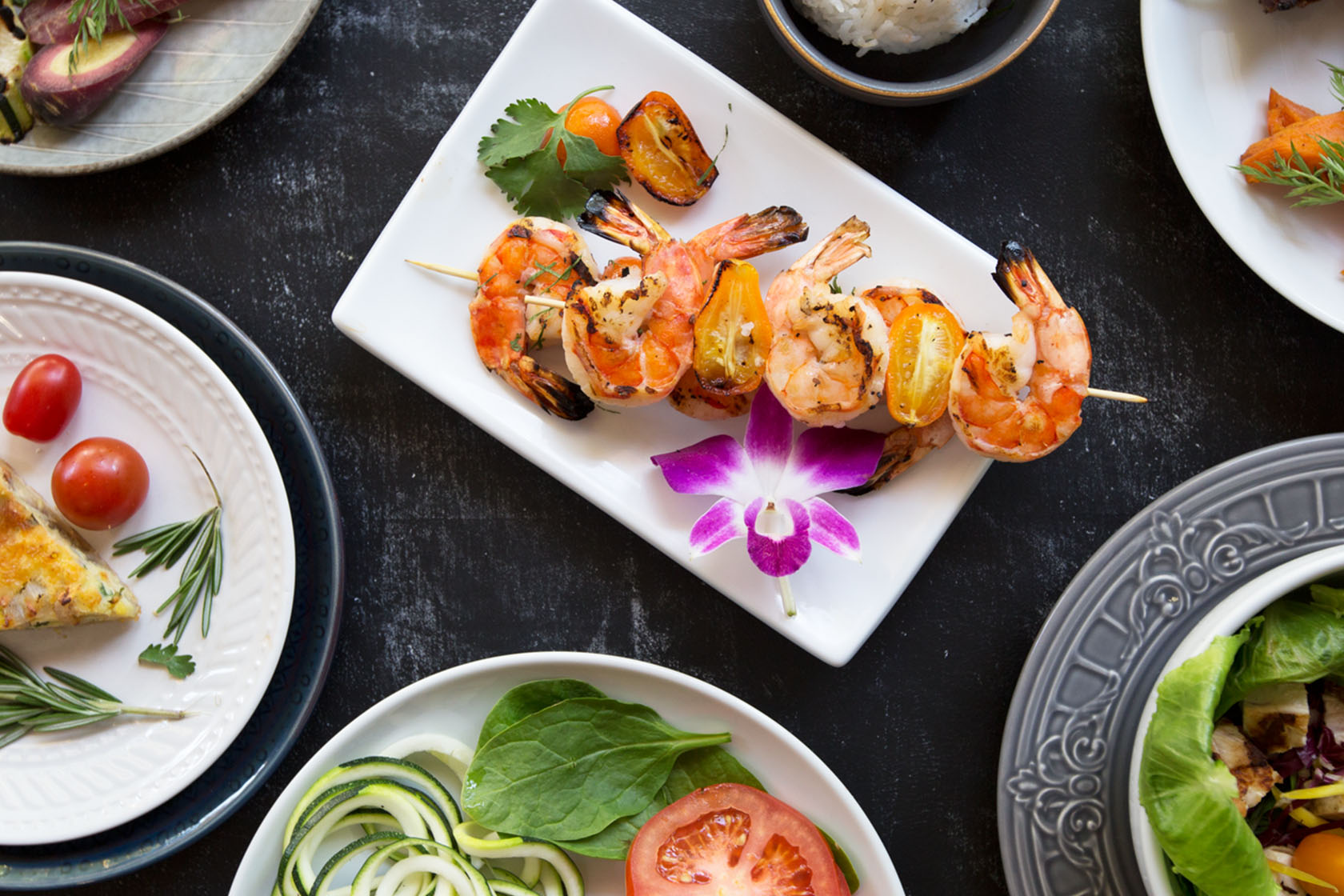
After working all day and trying to figure out how you're going to get some items off your "to-do" list, the last thing you want to worry about is what you're going to make for dinner. That's when takeout becomes the only sane option you can think of.
In fact, for the first time, Americans are spending more money at restaurants than they are buying groceries, according to a report by the American Enterprise Institute. Unfortunately, away-from-home meals can add inches to your waistline, as restaurant meals — from fast food to five-star — add an extra 200 calories to your overall daily diet, according to research published in Public Health Nutrition. Luckily, there are services that provide expert meal plans, meal kits containing fresh and healthy ingredients with recipes, or prepared meals right to your door. Here are three that will help you have a delicious, healthy, and stress-free meal:
Planning is considered the most important factor in healthy eating. But what if you don't know how to plan a week's menu or simply don't have time? Enter The Fresh 20. This meal-planning service provides a weekly shopping list for 20 items, a detailed prep list, and five dinner recipes with nutrition facts that take no more than 20 minutes to prepare. Pesto-Crusted Mahimahi and Lamb Burgers With Pesto Potato Salad are examples of typical recipes. Meal plan options include classic, Paleo, vegetarian, for one, gluten free, among others. Two registered dietitians helped develop the recipes and meal plans so you know you'll be eating right.
If you want everything provided to you like a takeout meal but healthier, Freshly can help. A medical doctor and chef duo developed this healthy meal delivery service that brings calorie-controlled farm-fresh breakfasts, lunches, and dinners right to your door. All you need to do is reheat and enjoy. Gourmet meals like Sesame-Crusted Salmon With Squash Medley or Broccoli & Bacon Frittata are made from locally produced foods that are GMO-free, and they're naturally higher in protein while limiting ultra-processed carbs or added sugars to keep you satisfied. Each meal provides about 450 calories and 5 oz. of lean protein to help keep your diet on track.
While there are numerous recipe and ingredient delivery services like Plated, Blue Apron, and Gathered Table, Hello Fresh recipes and ingredients are generally more nutrition-forward, rather than gourmet, and they take no longer than 30 minutes to prepare. You'll get everything you need to create delicious recipes (minus a few common staples) for two or four people. You can also choose between an omnivore or vegetarian offerings. Some of the weekly options include Chicken Flatbread Pesto and Argentine-Spiced Steak With Couscous Salad & Cilantro-Scallion Chimichurri. All recipes come with full nutritionals so you know exactly how many calories you're eating.
Ask anybody who’s shopped at Whole Foods: Adopting a healthy diet can test your will and your wallet. Proper planning and savvy shopping can help you overcome challenges on both fronts.
Armed with these tips, you can eat healthy, wholesome foods and stick to your budget.
Cooking at home kills two birds with one stone. You eat healthier by using a fraction of the butter and salt that restaurants tend to use, and you spend less money.
Order salmon at a restaurant, for example, and you’ll likely pay at least $15. You can get a pound of frozen salmon fillets, enough for three 5-ounce servings, for the same price or less at your local grocer.
When you do eat out, order an appetizer or split an entree with your dining companion to save on money and calories.
Meal planning is a great way to stick to a healthy diet without blowing up your budget. Map out your meals for the week — breakfast, lunch and dinner — and make a grocery list, taking into account what you already have in your pantry. This will keep you from over-shopping and helps guard against impulse purchases.
Planning will also help you maximize your grocery haul. Roasting a chicken one night? Shred the leftovers, add some salsa and toss it on a tortilla for lunch the next day. Or mix it up with some homemade mayo and a diced apple for a tasty chicken salad.
Fruits and vegetables are a staple of any healthy diet. But fresh produce has a short shelf life and can be pricey, especially if the item isn’t in season. Opt for frozen goods to save money, without sacrificing nutritional value.
“Produce is flash frozen at peak ripeness, meaning flavor and nutrients remain intact,” says consumer savings expert Andrea Woroch. “Plus, frozen goods store longer than fresh and you can stock up during sale time.”
Generic products are often identical to their name-brand counterparts in ingredients and quality. Where they differ is price.
“Shoppers can save 30% to 50% when they buy generic or store brands of such healthy foods as whole wheat pasta, canned organic vegetables and more,” Woroch says.
A 16-ounce bag of frozen broccoli at Giant is just $1 if you opt for the store brand. Buy the Bird’s Eye brand instead and you’ll pay $2 for a 14-ounce bag.
The early bird gets the worm, or so the saying goes. But when shopping at your local farmers market, you can get the worm — or berries, greens and beets — for less if you show up late.
“I shop at farmers markets right before the market closes to get a discounted price on produce,” says Jerlyn Jones, a registered dietitian who works at a health center that serves low-income and homeless individuals. “Most times the farmers are happy to sell at lower price than take food back to the farm that didn’t sell.”
Many markets accept federal and state food benefits, such as the Supplemental Nutrition Assistance Program, commonly referred to as SNAP. Some even offer matching dollar programs, helping your benefits go further.
Think beyond boneless, skinless chicken breasts, which can run anywhere from $4 to $9 per pound. Instead, snag some chicken legs or thighs for less than $2 per pound.
Not hungry for chicken? Pop a pork shoulder or beef roast into the slow cooker. Either will yield enough to feed your family with leftovers to spare, and both are more budget friendly than steaks or chops.
Eating healthy doesn’t require shopping at Whole Foods. Discount stores like Aldi’s and Trader Joe’s offer healthy, organic eats for less than mainstream grocery chains. A bag of quinoa, a protein-packed whole grain, is $2.99 at Aldi’s, compared with $5.99 at Giant.
Hitting multiple stores can also help stretch your budget. Check weekly circulars and look for coupons to determine which retailer offers the best deals for the items on your grocery list.
© 2017 Healthy Food Deliver. All rights reserved.